
How UK plush toy Jellycat conquered China
- Categories News
- Date January 5, 2026
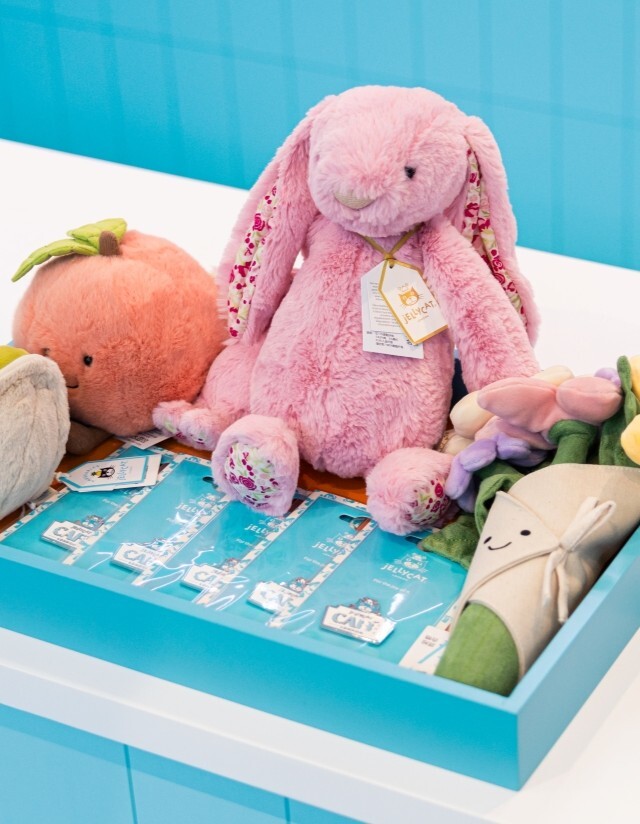
Stella Huang bought her first Jellycat plush toy in 2021 after losing her job during the pandemic, and she says she’s been “petting and squeezing” her toys ever since the strict Beijing lockdowns. She first fell for a gingerbread-house plushie she saw on RedNote, even though Christmas isn’t a big tradition in China.
Jellycat’s “Amuseables” line—cute everyday objects with tiny faces—became a breakout hit for Gen Z and millennials, and experts say the appeal may be linked to wanting companionship and emotional comfort during uncertain times. The craze grew even faster through Jellycat pop-up experiences, where fans film themselves being “served” limited-edition items and share the clips online.
The boom fits a wider “kidult” trend, as more young adults buy collectible toys and turn them into memes—like the aubergine “boss” used to joke about exhausted working life. Jellycat also uses limited-edition drops and retires designs (“hunger marketing”), which fuels treasure-hunt buying, daigou shopping agents, and high resale prices for rare items. But some fans now say interest may be slowing and are switching to cheaper thrills like blind boxes, or even “quitting the pit” (retiring the hobby).
คำศัพท์
ความหมาย
ตัวอย่างประโยค
plush toy
ตุ๊กตาผ้านุ่ม/ตุ๊กตายัดไส้
companionship
ความเป็นเพื่อน/การมีคนหรือสิ่งที่อยู่เป็นเพื่อน
daigou
คนรับหิ้วจากต่างประเทศ
resale
การขายต่อ
blind box
กล่องสุ่ม
